Year-Round Tax Planning
Proactive tax planning throughout the year to help electricians and electrical contractors understand potential tax obligations, evaluate deductions, and prepare before important filing deadlines.

Effective tax planning goes beyond filing an annual return. CPA for Electricians provides specialized tax planning and preparation services for independent electricians, electrical contractors, and electrical companies. We help business owners understand eligible deductions, manage tax obligations, and develop practical strategies to support long-term financial success.


Whether you're an independent electrician or manage a growing electrical contracting company, your tax strategy should reflect how your business operates, earns revenue, pays employees, purchases equipment, and plans for future growth.
Our tax planning and preparation services support electrical businesses of different sizes, helping owners stay organized and better understand their tax responsibilities.
Tax preparation looks at the financial activity that has already taken place. Tax planning helps electrical business owners evaluate important financial decisions while there may still be opportunities to act.
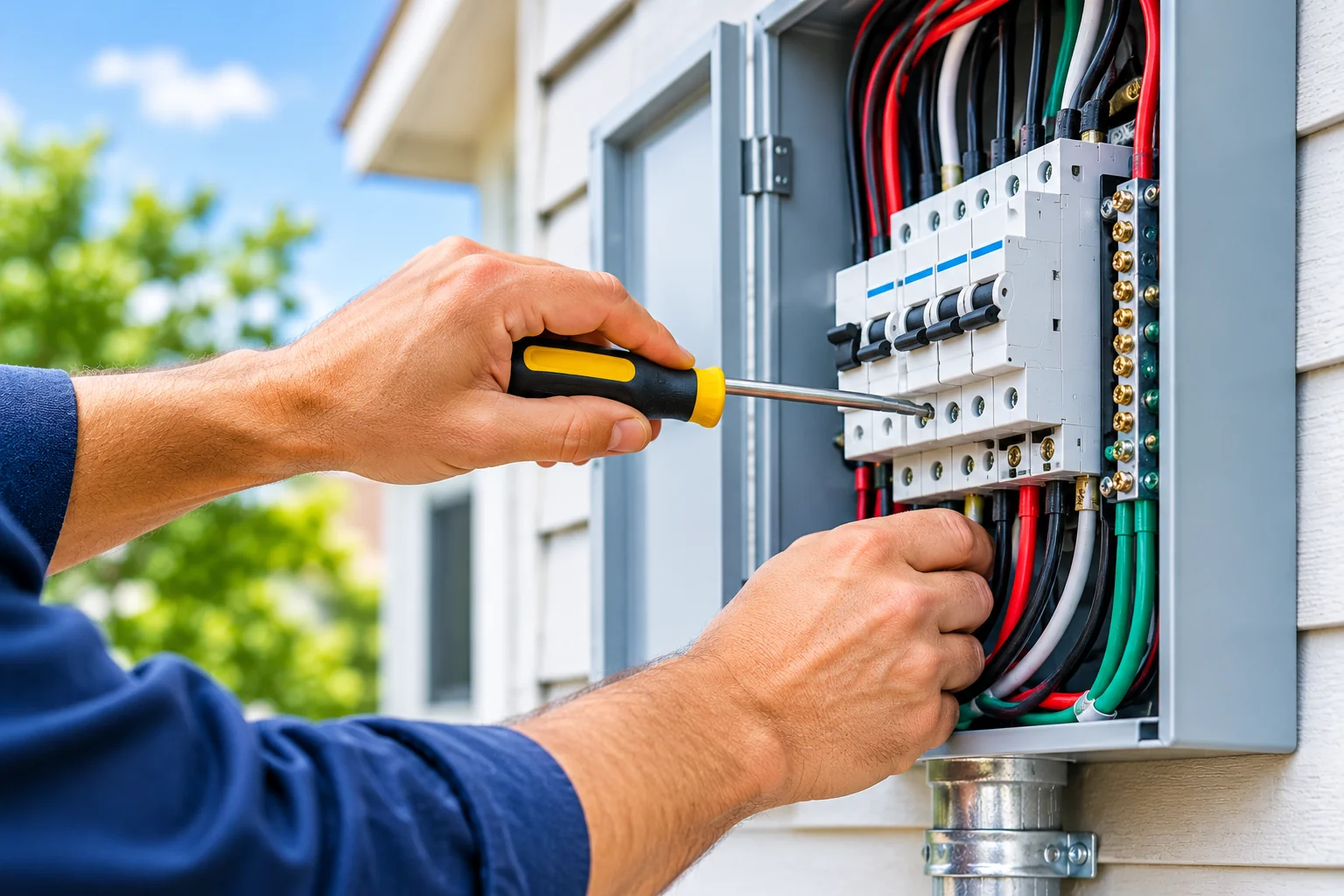

An electrical contractor's tax position develops throughout the year. Hiring electricians and apprentices, purchasing service vehicles, investing in testing equipment, expanding commercial projects, and increasing revenue can influence business finances and tax planning.
Our approach to tax planning for electricians focuses on reviewing the financial activity behind the tax return. This helps electrical business owners consider tax obligations alongside cash flow, payroll, equipment needs, and future business growth.
Why year-round tax planning matters: Reviewing important financial decisions before year-end can provide more planning opportunities than waiting until the tax filing season begins.
Accurate business tax preparation begins with organized financial information. Electrical project revenue, subcontractor payments, employee payroll, materials, equipment purchases, vehicle expenses, insurance, and operating costs can all affect the information needed for tax reporting.
We use available accounting records and relevant business information to prepare applicable tax returns based on your company's entity structure and filing requirements. Our goal is to make the process more organized while improving coordination between bookkeeping and tax preparation.
Many electrical contractors operate through an LLC or elect S corporation tax treatment as their businesses grow. Different structures can involve different tax filing requirements, payroll responsibilities, owner compensation, and financial considerations.
Tax planning can include reviewing whether the current business structure remains appropriate for the company's financial activity, operating needs, and long-term goals.
Electrical service vans, work trucks, power tools, diagnostic equipment, cable testing instruments, lifts, and specialized machinery can represent significant investments for electrical contracting companies.
The timing and tax treatment of qualifying business purchases may affect deductions, depreciation, and cash flow. We help review relevant purchase records and applicable tax considerations based on business use and current tax rules.
As an electrical business becomes more profitable, its tax obligations may increase. Without proper planning, owners may reach estimated tax deadlines without having considered the cash needed for upcoming payments or year-end liabilities.
Estimated tax planning helps connect potential tax payments with the company's broader cash flow position, allowing electrical contractors to make more informed financial decisions throughout the year.
The final months of the year are an important time to review electrical project income, operating expenses, payroll, planned equipment purchases, estimated tax payments, and overall business performance.
A year-end tax review can help identify financial information that needs attention before the books are closed and establish a more organized starting point for business tax preparation.